
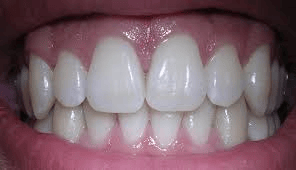
Two national reports gaining attention this week found that about 26% of the nearly 9 million Veterans enrolled in VA health care qualify for VA dental treatment. That means that roughly three out of four enrolled Veterans do not qualify for care and, according to these reports, Veterans also experience substantially higher rates of tooth decay than non-Veterans.
It is important to know that VA Health Care and VA Dental Care are not the same benefit. VA Dental eligibility works differently from general VA Health Care eligibility. Veterans are placed into specific dental-benefit classes based on factors including service-connected dental conditions, disability status, and certain other circumstances. Here is a general overview to determine your VA dental class and eligibility if you do not already know. However, check here for full VA dental class breakdown.
- Class I (Service-Connected Dental Disability): You have a dental condition or injury that directly happened during your military service and for which you receive VA disability compensation. What you get: Full, comprehensive dental care for all dental needs.
- Class II (Recent Discharge / Persian Gulf War Era): You apply for dental care within 180 days of leaving the military, and your separation paperwork (DD-214) shows you did not receive a complete dental exam before getting out. What you get: A one-time treatment to fix dental issues.
- Class IIA (Non-Compensable Service-Connected Condition): You have a minor dental condition caused by combat wounds or service trauma, but it is not severe enough to pay you a monthly disability.
What you get: Dental care specifically needed to make sure you have a functioning mouth and jaw.
- Class IIB (Homeless Veterans Program): You are enrolled in an approved VA homeless veteran program. What you get: Aone-time course of dental care to relieve pain, help you get a job, or treat serious gum infections.
- Class IIC (Former Prisoners of War): You were held as a prisoner of war during your service. What you get:Full, comprehensive dental care with no limits on repeat visits
- Class III (Aggravating Another Condition): Your dental problem is making a separate, non-dental service-connected medical condition much worse. What you get: Dental treatment focused strictly on fixing the oral problem that is harming your service-connected health condition.
- Class IV (100% Service-Connected or Unemployable): You have a permanent total service-connected disability rating of 100%, or you are paid at the 100% rate because your service-connected conditions prevent you from working (TDIU). What you get: Full, comprehensive, lifetime dental carefor any needed service at zero cost. (Note: Temporary 100% ratings do not qualify).
- Class V (Vocational Rehabilitation / VR&E): You are actively enrolled in the VA's Veteran Readiness and Employment program. What you get: Dental care required to keep your dental issues from interrupting your job training program or to help you reach your rehabilitation goals.
- Class VI (Inpatient / Hospitalized Care): You are in the hospital or a VA facility receiving care for a separate medical issue, and a dental problem is actively complicating that medical treatment. What you get: Emergency or specific dental treatment just to help clear up the immediate medical complication.
To clarify, Veterans with service-connected disabilities that are not dental related and are less than a 100% rating do not qualify for dental unless the dental condition is aggravating another service-related medical condition. Then, dental treatment would be warranted and focused strictly on fixing the oral problem that is harming the service-connected health condition.
Veterans that do not qualify for VA covered dental benefits have other available dental insurance coverage options to offset dental costs. Veterans can purchase discounted dental insurance through the VA Dental Insurance Program (VADIP). VADIP offers discount plans from Delta Denta and MetLife and Veterans must be enrolled in VA Health Care to meet VADIP eligibility.
Veterans should not ignore dental problems because they assume there is no help. Oral health can affect broader health and quality of life. There are times when dental care can be treated as health care rather than a cosmetic issue. This is something Veterans should investigate before automatically assuming they cannot receive treatment.
If VA dental coverage isn't available to you and you don't know what other Veteran, community or nonprofit resources may exist, don't stop at “I don't qualify.” Let Your Next Mission® VCS help get you in contact with the resources that assist you.